
Cezmi A Akdis
Immunology — University of Zurich, Switzerland

Cezmi A Akdis
LeadR Profile
Immunology
Subspecialties: Allergy - Public Health - Internal Medicine
Main Topics
Publications and Clinical Studies
Short Biography
Prof. Cezmi Akdis is the director of the Swiss Institute of Allergy and Asthma Research (SIAF) in Davos and Professor in Zurich University Medical Faculty.
He has honorary professorships from Beijign Cantional University Tongren Hospital (China), Wuhan University (China), Zhejiang University (Hangzhou, China) Bursa Uludag University (Turkey), Pekin University (China) and Harvard University (USA). He is a Senate Member of the Swiss Academy of Medical Sciences.
Cezmi Akdis has published more than 750 peer-reviewed articles. His h-index is 169
Cezmi Akdis acted as the President of the European Academy of Allergy & Clinical Immunology (18’000 members) between 2011-2013. He was the editor of Global Atlases of Allergy, Asthma I-II, Chronic Rhinosinusitis and Allergic Rhinitis Planetary Health.
He was the founder and organizer of the World Immune Regulation Meetings, Davos I-XIX. He is currently the Editor-in-Chief of the Allergy journal.
Major scientific contributions:
Development of the concept of immune tolerance to allergens and demonstration of multiple cellular and molecular mechanisms and characteristics of a healthy immune response to allergens.
First time demonstration of many important cell subsets in humans, such as T regulatory, B regulatory, ILC regulatory, Type 2 NK and NK Regulatory Cells etc.
Identification of the mechanisms development in atopic dermatitis and contact dermatitis, particularly mechanisms of eczema lesion development in the skin.
He published more than 50 COVID papers including one of the first publications and many articles on how to handle allergy patients during the pandemics and immune events during COVID and severe COVID.
Cezmi Akdis’s current research is the continuation of his “epithelial barrier theory” on the development of allergic, autoimmune and neuropsychiatric diseases. His group has recently identified more than 80 diseases linked to Epithelial Barrier Damage and Microbial Dysbiosis overall are responsible for more than 2 billion patients. His group has published Epithelial Barrier Defects related findings in pets and domestic animals related to the One Health concept and athletes. They are continuously publishing molecular mechanisms of toxicity to cells and mitochondria and ways for mitigation of the toxic effects.
Humans are exposed to a variety of toxins and chemicals every day. It is estimated that more than 350’000 new chemicals have been introduced to our lives after 1960s, mostly without any reasonable control of their health effects. There is a plethora of studies pointing to the rapid rise of exposure to many of these harmful substances during the last six decades with their implications on skin and mucosal epithelial barrier functions. According to the epithelial barrier theory (www.epithelialbarriertheory.com), exposure to many of these substances damages the epithelium on the surface of our skin, lungs and intestine. A defective epithelial barrier has been demonstrated in allergic and autoimmune conditions such as asthma, atopic dermatitis, allergic rhinitis, chronic rhinosinusitis, eosinophilic esophagitis, celiac disease, and inflammatory bowel disease. In addition, leakiness of the gut epithelium is also implicated in systemic autoimmune and metabolic conditions such as diabetes, obesity, multiple sclerosis, rheumatoid arthritis, systemic lupus erythematosus, ankylosing spondylitis, and autoimmune hepatitis. Finally, distant inflammatory responses due to a ‘leaky gut barrier’ and microbiome changes are suspected in Alzheimer’s disease, Parkinson’s disease, chronic depression and autism spectrum disorders. The “epithelial barrier theory” proposes that the rise in epithelial barrier damaging agents linked to industrialization, urbanization and modern life underlies the rise in allergic, autoimmune and other chronic conditions. After breaking of the epithelial barriers by various environmental agents and infections, microbiome which normally floats above the skin and mucosas goes deeper between and beneath the epithelial barrier. Microbial dysbiosis and decreased biodiversity develop following the colonization of opportunistic pathogens. An “epithelitis” with the release of alarmins and multiple chemokines initiates the immune response and inflammation inside and beneath the epithelium with the aim of “expulsion response” to deeper and dysbiotic microbiome and pollutants and toxic substances reaching to deeper tissues, because of epithelial barrier defects. Oxidative stress, endoplasmic reticulum stress and protein folding defects, mitochondrial stress, DNA repairy delay and failures, and innate immune response have been identified as key mechanisms of tissue injury and inflammation. Cells and cytokines leak to the circulation from the barrier defective tissues and cause inflammation in target tissues in distant organs as repeatedly demonstrated in diabetes, rheumatoid arthritis and multiple sclerosis experimental models and patients. Disturbed epithelial barrier healing capacity because of microbial dysbiosis, chronic tissue inflammation and epigenetic mechanisms lead to the chronicity of the disease.
Organizations
University of Zurich -
Number : 843
Citations
Main journals
Best Journals
Breakdown by type
Clinical Studies 5
Synthesis
By phase:
By status:
By type:
By Monocentric/Multicentric:
Main Topics
Cohort/Consortium Investigators 4
LeadR Networks
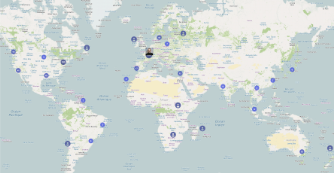
Main global connection map