

Kevin K W Wang
Kevin K W Wang is an expert in Neurology at Atlanta VA Health Care System (United States). As of October 2026, ScienceLeadR ranks Kevin K W Wang in the top 1% of experts worldwide for Brain Injuries. Kevin K W Wang has authored 447 publications, the most recent in 2026, and is an investigator in 4 clinical trials, 1 of them ongoing. SLR score: 1,341 (community average: 125). How the SLR is computed.
LeadR Profile
Neurology
Subspecialties: Biochemistry - Neurosurgery - Psychology
Main Topics
Publications and Clinical Studies
Profile data updated on
Short Biography
Dr. Wang is Executive Director of Translational and Multi-Omic Medicine, Foundation for Applied Molecular Evolution (Alachua FL, USA). He was Interim Director of the Neuroscience Institute / Professor and Vice-Chair for Research of Neurobiology and the Director of the Center for Neurotrauma, Multiomics & Biomarkers (CNMB) at Morehouse School of Medicine. He also held Health Research Neuroscientist position at the Center for Visual & Cognitive Rehabilitation at the Atlanta VA Health System. Dr. Wang has been an innovator in CNS therapeutics and theranostic biomarkers, as well as a translational neuroscientist for over 35 years. He previously held leadership positions at Parke-Davis Pharmaceutical and Pfizer Global R&D. From his original work at the University of Florida and Bayan Biomarkers, Inc., a CNS diagnostic company that he co-founded, two acute TBI blood-based protein biomarkers (UCH-L1/GFAP) that he co-discovered and developed in vitro diagnostic (IVD) tests for have received FDA and European Medicines Agency (EMA) regulatory clearance as the first-in-class IVD blood tests to aid in the diagnosis of mild TBI patients. These TBI blood tests are now on the market under the Abbott i-STAT Anility and bioMérieux VIDAS clinical diagnostic platforms. In addition, Dr. Wang held/holds leadership positions in the National Neurotrauma Society and TBI initiatives such as the International TBI Research Initiative (InTBIR) and multicenter TBI consortium studies (e.g., TRACK-TBI, CENTER-TBI, TOP-NT). He has authored over 300 peer-reviewed publications and edited six scientific books. He is also the primary inventor of 15 issued US and international patents. The research program that he directs has been continuously funded for more than 20 years by major federal funding agencies including NIH, DOD and VA.
Dr. Wang’s innovative research had also led to the discovery of several novel TBI therapy targets and biomarker entities which formed the basis of two CNS biotechnology companies he co-founded - Gryphon Bio, Inc. and Owl Therapeutics. Dr. Wang served as chairman of the scientific advisory board of both companies. He is also the Editor-in-Chiefof Concussion, a journal of mild traumatic brain injury.
Organizations
Career arc: 1991 - 2026
Number : 447
Citations
Main journals
Best Journals
Breakdown by type
Click a legend label to hide or show it in the chart.
Latest Publications
5 most recent indexed articles
Source: Pubmed
Clinical Studies 4
Synthesis
By phase:
By status:
By type:
By Monocentric/Multicentric:
Main Topics
Cohort/Consortium Investigators 19
Ongoing Clinical Trials
Ongoing trial started since 2021, where this expert is an investigator
Source: ClinicalTrials
| Study | Phase | Status | Start |
|---|---|---|---|
| Biomarker Role in Assessing Imaging Needs for Mild Cranial Trauma NCT06932588 — research design, brain injuries, craniocerebral trauma, blood, point-of-care systems, brain, biomarkers, length of stay, brain injuries, traumatic, hematologic tests, wounds and injuries, brain concussion, head | N/A | Active not recruiting | 2025 |
LeadR Networks
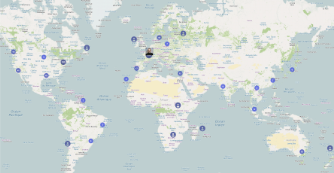
Main global connection map