Prof Mehdi Akbari, PhD

Psychology — Kharazmi University, Iran

LeadR Profile

Prof Mehdi Akbari, PhD Kharazmi University Iran
416 ScienceLeadR Reputation 416
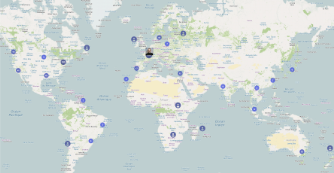
Network Map

Psychology

Subspecialties: Psychiatry - Neurology - Pediatrics

Full career – Last 3 years

Main Topics

Publications and Clinical Studies

Publications – Clinical Studies

Profile data updated on

Expert Rankings

Top experts on the MeSH terms this expert works on

Organizations

Career arc: 2009 - 2026

Source: PubMed

Iran University of Medical Sciences

could not re-read experiences after save", error); return null; } if (persistedEntries === null) { return null; } if (persistedEntries.length === 0 && sent.some((entry) => entry.isvisible !== false)) { console.warn(" re-read after save came back empty, keeping the edited entries"); return null; } this.state.current.experience = persistedEntries; const expected = this.yearsSignature(sent); const received = this.yearsSignature(persistedEntries.map((entry) => ({ isvisible: entry.isvisible, topresent: entry.topresent, year_start: entry.startperiod, year_stop: entry.endperiod }))); if (expected !== received) { console.error(" saved experiences were not persisted as sent", { sent: expected, received: received }); return false; } return true; }, async fetchExperiences() { const response = await $.ajax({ url: ajaxLoadUserData, type: "POST", data: { security: ajaxDataLoadUserData.security, data_to_load: "OrganizationHisto", } }); const parsedData = JSON.parse(response); if (parsedData.loaded === false || !parsedData.user_data || !Array.isArray(parsedData.user_data)) { return null; } return parsedData.user_data.map((value, index) => ({ company: value["name"], url: "", position: (value.hasOwnProperty("position") ? ( value["position"] ) : ( "" ) ), startperiod: value["year_start"], endperiod: value["year_stop"], topresent: (value.hasOwnProperty("topresent") ? ( value["topresent"] ) : ( false ) ), orgid: value["orgid"], isvisible: (value.hasOwnProperty("isvisible") ? ( value["isvisible"] ) : ( true ) ), description: "", tags: [], isOpen: false, ismain: (value.hasOwnProperty("ismain") ? ( value["ismain"] ) : ( (index === 0) ? true : false ) ) })); }, async loadDataOnMount() { this.loading = true; try { const experiences = await this.fetchExperiences(); this.loadFailed = experiences === null; if (experiences !== null) { this.state.current.experience = experiences; } } catch (error) { console.warn(" could not load experiences", error); this.loadFailed = true; } this.loading = false; } }, computed: { experience: { get() { return this.state.current.experience }, }, }, async mounted() { await this.loadDataOnMount() }, } }; })

Publications Synthesis

Sources: PubMed, OpenAlex

Number : 127

Citations

Citations: 1 396 1st author: 53 Last author: 16 Unique author: 3


Best Journals

Breakdown by type

Click a legend label to hide or show it in the chart.

Latest Publications

5 most recent indexed articles

Source: Pubmed

Title Journal Year Citations
Niosomal Encapsulation of Phenolic-Rich Extract from Fermented Corn Bran: Optimization, Characterization, and In Vitro Evaluation.
antioxidants, cholesterol
Foods20260
The development of the Metacognitions About Boredom Scale (MABS) and its role in problematic social media use.
boredom, behavior, addictive, social media, metacognition, psychometrics, online social networking, roc curve, internet use
J Behav Addict20260
Boredom-related metacognitions in problematic social media use: A four‑wave longitudinal panel study.
boredom, alcoholism, social media, feeding behavior, metacognition, obesity, smoking, negotiating
Addict Behav20261
Motivational pathways to problematic pornography use: A self-determination theory perspective.
loneliness, fantasy, stress, physiological, motivation, psychological distress
Addict Behav Rep20261
Sequential Pathways to Suicidal Ideation: Refining the IMV Model in a Trauma-Exposed Iranian Sample.
history, wounds and injuries, suicidal ideation, suicide
Arch Suicide Res20260

LeadR Networks

Main global connection map