
Renlai Zhou
Psychology — Nanjing Drum Tower Hospital, China

Renlai Zhou
LeadR Profile
Psychology
Subspecialties: Psychiatry - Neurology - Pediatrics
Main Topics
Publications and Clinical Studies
Short Biography
Professor, Ph.D, Department of Psychology, Nanjing University. "Zhi Cheng Distinguished Professor" of Nanjing University. Director of the Key Base of Philosophy and Social Sciences of Jiangsu Province (Experimental Center for Social and Behavioral Sciences) Distinguished Researcher, Affiliated Drum Tower Hospital, Medical School of Nanjing University Distinguished Researcher of the State Key Laboratory of Media Convergence Production Technology and System. Vice Chairman of Jiangsu Psychological Society.
He served as the director of the Department of Psychology at Nanjing University (2014-2024), the vice dean of the School of Psychology at Beijing Normal University (2007-2013), a professor at the State Key Laboratory of Cognitive Neuroscience and Learning, the director of the National Demonstration Center for Basic Experimental Teaching of Psychology, the director of the Beijing Key Laboratory of Applied Experimental Psychology, and the director of the Center for Emotion Regulation Research.
The main research fields are cognitive neural regulation and emotion regulation. In terms of methods, cognitive neuroscience techniques such as electroencephalogram (ERP), magnetic resonance imaging (fMRI), magnetoencephalography (MEG), transcranial electrical stimulation (tACS/tDCS), and physiological multi-channel measurement are adopted, combined with artificial intelligence methods, to explore the neural mechanisms and plasticity of cognition and emotion.
In terms of cognitive neural regulation, the goal is to develop and improve an individual's cognitive function, especially for cognitive dysfunction. Based on the independently developed computerized adaptive working memory training system, the following core questions have been systematically answered: whether working memory training (WMT) can enhance fluid intelligence (IQ), how long it takes for the training to take effect, whether the training effect can be maintained in the long term, the age range for IQ improvement, and the cognitive and neural mechanisms behind it. In recent years, by further integrating machine learning methods such as logistic regression, support vector machines, and random forests, and combining them with electroencephalogram (EEG), magnetic resonance imaging (MRI), and brain stimulation techniques, we have explored whether neural activities induced by working memory can predict fluid intelligence and the effectiveness of electrical stimulation in different brain regions in enhancing fluid intelligence, thereby revealing the intrinsic mechanisms of intellectual activities.
In terms of emotional regulation, efforts are made to enhance individuals' emotional control capabilities and improve emotional disorders. Through a series of experiments, the effects of intervention methods such as transcranial electrical stimulation, working memory training, cognitive reassessment, mindfulness meditation, written expression, acute motor and music training on people with test anxiety, premenstrual syndrome, depressive tendencies and addiction were examined. Internationally, the possibility of standardized working memory training improving emotional regulation was proposed and verified for the first time, and the sustainability of the improvement effect, the differences among people with different emotional disorders, and its mechanism of action were systematically explored. In recent years, research has further expanded to the role of heart-brain interaction in emotional regulation, thereby revealing the relationship between the mind and the body.
A series of achievements have been made in the fields of working memory assessment and training, emotional and cognitive changes of astronauts during in-orbit flight, neural mechanisms of premenstrual syndrome in women, diagnosis and intervention of test anxiety, and neurophysiological mechanisms of emotion regulation, which have been widely reported by Science Times, Xinhuanet, Sohu.com, Sciencenet, Science Bulletin and other media. More than 300 academic papers have been published, among which over 140 are SCI/SSCI papers. He has authored over ten books and holds more than ten software Copyrights and patents. He/She has won the Second Prize of the National Science and Technology Progress Award (ranked fifth) and many other awards.
Organizations
Johns Hopkins University – Nanjing University Center for Chinese and American Studies -
Number : 157
Citations
Main journals
Best Journals
Breakdown by type
LeadR Networks
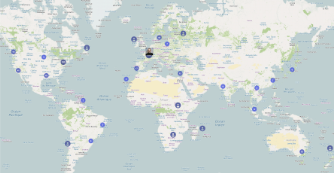
Main global connection map